 Nick Trenkler
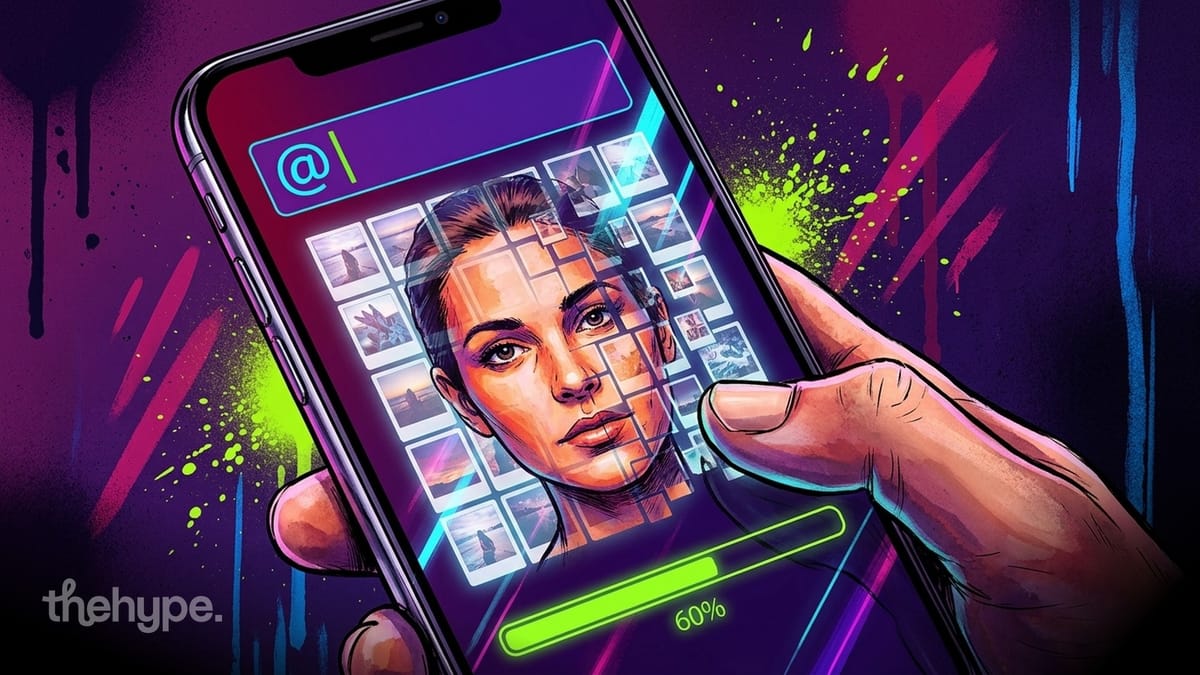
@Meta shipped muse image – an image model inside meta ai. the headline feature: @-mention anyone's instagram and generate images of them from their public photos. opt-out exists but it's on by default, so anyone can generate you without asking – a new privacy surface worth watching
what's under it:
• reasoning before generation. muse image runs through muse spark to plan layout, search the web, and blend photos before rendering. same pattern openai and google push, done natively
• advantage+ creative for advertisers, directly in meta's campaign pipeline. no external tools
• room redesign with shoppable products. snap your room, get a restyle with items from marketplace, instagram shops, and retailers – buyable on the spot
• it's currently no. 2 on text-to-image arena
we tested it against gpt image 2, nano banana 2, and reve 2.0 via @aimlapi
the setup: portraits of ai/tech figures who have public instagram accounts, to see whether @-mention actually gives muse an edge:
- mark zuckerberg (hawaiian ranch at dawn) @finkd
- sundar pichai (cricket pavilion) @sundarpichai
- yann lecun (parisian jazz café) @ylecun
- aravind srinivas (open-water sailboat) @AravSrinivas
- kai-fu lee (mountain tea house) @kaifulee
findings:
• avg generation time – 30-35s
• output quality is high
• srinivas and kai-fu lee are the tell. ask a frontier model to render a less-photographed person with no reference and it fails. muse nails it via the @-mention
• muse can't pull from private accounts
where it's useful:
- cover images that need real people
- online media looking to cut photographer spend
verdict: solid model. still weaker than gpt image 2 overall, but it wins on people generation
Introducing Muse Image and Muse Video, the first media generation models developed by Meta Superintelligence Labs.
— AI at Meta (@AIatMeta) July 7, 2026
Muse Image is our most advanced image generation model yet. It follows instructions faithfully, edits with precision, composes from multiple references, and draws… pic.twitter.com/byNpQZO1RW