 Nick Trenkler
@spacexai just shipped imagine image 2.0, with a big focus on precise editing, instruction following and preserving what’s already in the frame
so we put it through a simple 3-step image-editing test:
1. place the exact tesla model y into a photorealistic nevada highway scene without redrawing the car
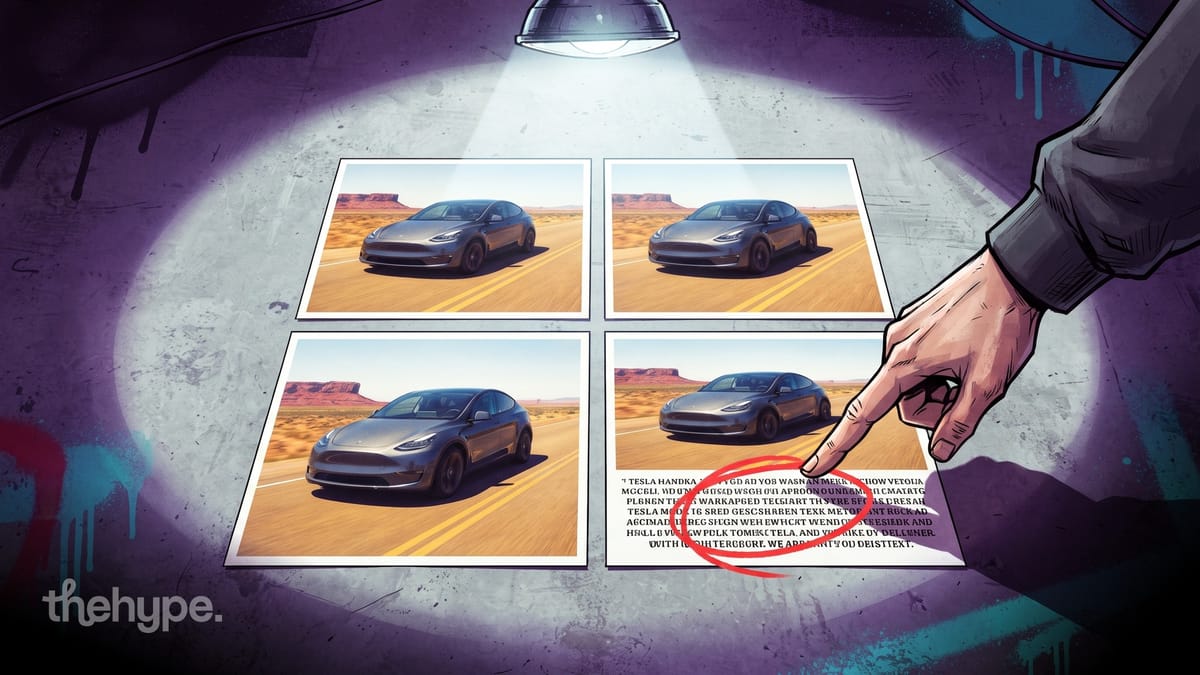
2. turn that image into a full-bleed tesla magazine ad with dense, readable typography
3. photograph the finished magazine as a real physical object on a coffee table in a mediterranean apartment
same prompts, same source, four models
generation time per image:
• highway scene – grok 12s / gpt 55s / muse 164s / nano banana 20s
• magazine ad – grok 30s / gpt 63s / muse 56s / nano banana 31s
• lifestyle shot – grok 11s / gpt 51s / muse 56s / nano banana 24s
observations:
• grok is the standout on speed. 11s for the hardest edit in the set is wild, and the quality doesn’t collapse with the latency
• grok actually preserves the source vehicle when moving it into a new environment – body shape, wheels, proportions and overall identity stay intact
• @aiatmeta muse is the most photorealistic of the four. its lighting, reflections and physical materials look especially convincing, but 164s for the first edit is a serious tradeoff for production workflows
• nano banana 2 is fast and generally strong, but it’s the only model in the set that introduced a text mistake. interestingly, the newer grok handled the dense magazine copy cleanly
overall: this is a surprisingly strong result for imagine image 2.0. grok is not just fast – it’s fast while actually respecting the source image, which is the part that matters for real creative workflows
new favorites in image editing. grok for speed + instruction following, muse for raw realism
watch the full test via link
grok imagine image 2.0 vs gpt image 2 vs meta muse image vs nano banana 2 – on image editing@spacexai just shipped imagine image 2.0, with a big focus on precise editing, instruction following and preserving what’s already in the frame
— thehype. (@thehypedotnews) August 10, 2026
so we put it through a simple 3-step… https://t.co/VCvWpjagqC pic.twitter.com/ljjsQnPw2I