
 Vladimir Arustamov

openai's devday keynote on sep 29 ran 53 minutes and moved the three numbers builders plan around. ultrafast runs gpt-6 astra at 8x the standard speed. gpt-6.1 sol gives near-astra quality at a fifth of astra's price. and chatgpt reaches about 1.2b people a week – now with new ways for apps to reach them. below: every launch, what it costs, and what it changes for builders.
what openai launched
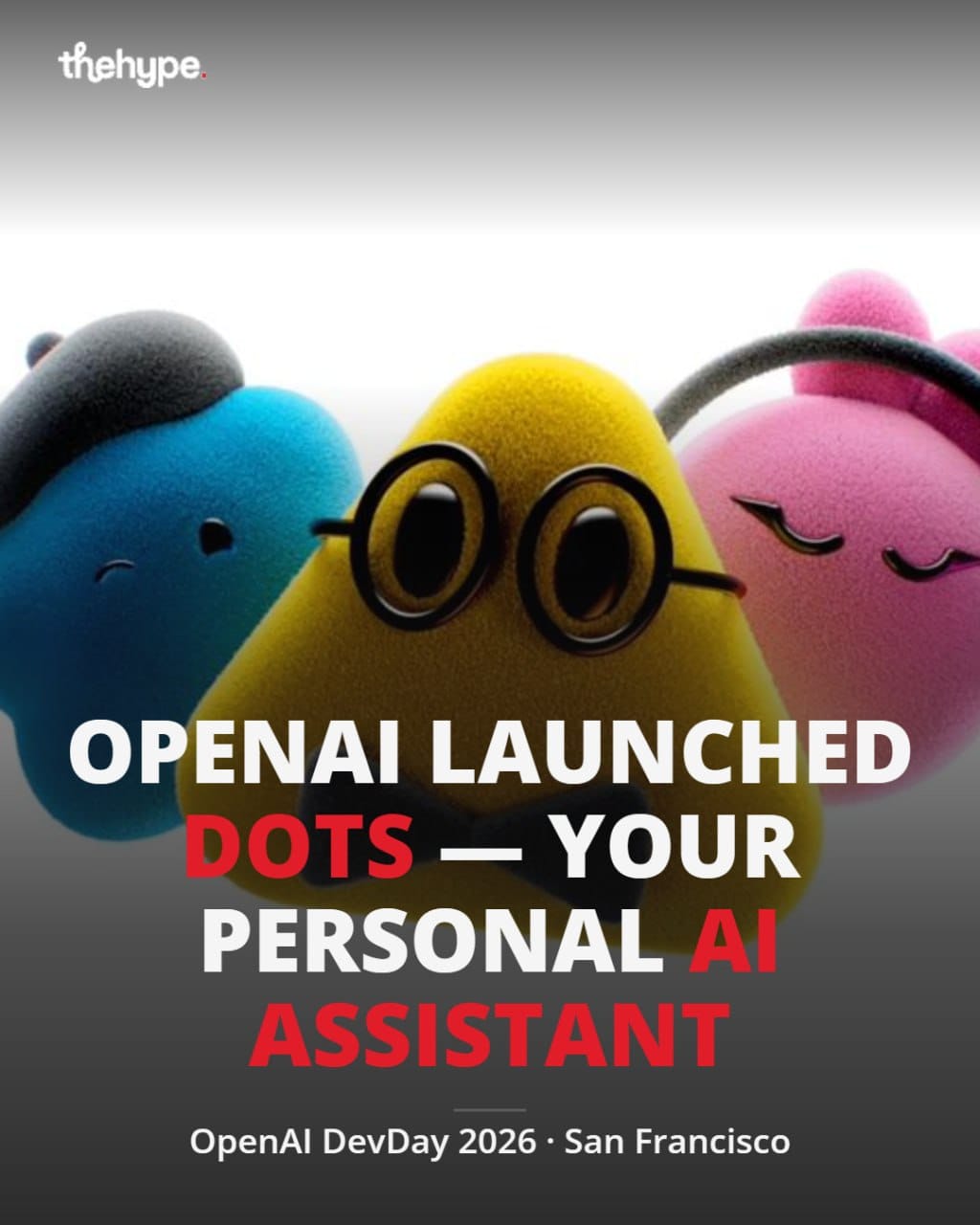
- dots – always-on agents inside chatgpt, powered by astra. you can text a dot, call it, or bring it into a group chat, and it works with the 4,000+ apps already connected to chatgpt. available today on chatgpt pro, business premium and enterprise; conversations with your dot don't count against usage.
- chatgpt space – a shared page where people, their teammates and their dots plan, research and build together. same plans as dots.
- specialist dots (preview, enterprise) – company-configured agents for work like accounting, marketing and legal. openai is integrating them into microsoft's agent 365.
- gpt-6.1 sol – a new model at $2 per million input tokens and $10 per million output.
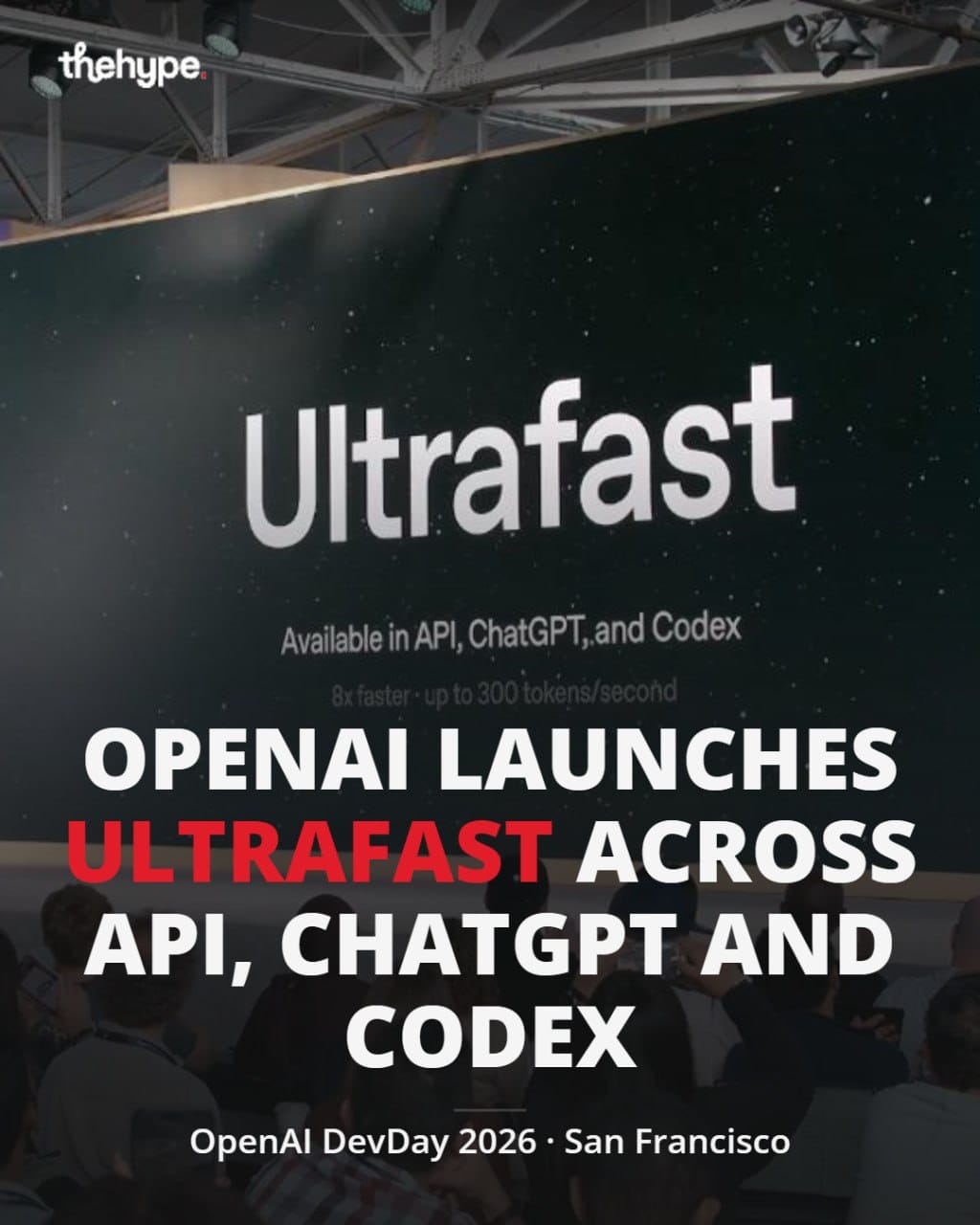
- ultrafast – a new speed tier across the api, chatgpt and codex. astra today, gpt-6.1 sol "soon".
- pro 500 – a new chatgpt plan with 25x the usage of plus and ultrafast access. pro 200 reopens.
- decisions api (preview) – the model answers in a fraction of a second; openai demoed it driving a computer.
- agents api (public beta) – the harness behind codex and dots, now with computer use. the harness itself is open source.
- codex in the cloud – rebuilt, with the same tools as codex on your laptop, including plugins and computer use. long tasks keep running with the laptop closed.
- sign in with chatgpt – users log into your app and spend the tokens included in their chatgpt plan. 16 launch partners.
- plugin extensions – plugins that are full applications inside chatgpt: an editor, a dashboard.
- openai marketplace – 30+ launch partners, including coderabbit, notion and vercel. enterprise customers can spend part of their openai commitment on partner products; open-source models are available through baseten.
8x faster: ultrafast
ultrafast runs astra at 300 tokens per second – 8x the standard speed at 6x the price. on the api that is $60 per million input tokens and $300 per million output, against $10 and $50 for standard astra. the existing fast mode sits in between: 2x the speed for 2x the price.
openai also put numbers on the plumbing under it. the responses api grew 100x in a year while staying above 99% reliability, time to first token is down 45%, and tool calls and workflows run more than 30% faster.
what speed buys: an agent that answers while the user is still looking at the screen. on stage, openai gave astra the same build prompt at standard and ultrafast speed side by side – the ultrafast app was done while the standard one was still being written.
5x cheaper: gpt-6.1 sol
gpt-6.1 sol costs $2 in and $10 out per million tokens – a fifth of astra's $10 and $50. cached input is $0.10, a 95% discount on standard input, which matters most for agents that re-read the same repository or document on every turn. it keeps astra's 1.05m-token context window and 128k output.
openai pitched it as "very near astra level intelligence at a fifth of the price" and "smarter than astra in some ways". those are openai's claims; we haven't run our own comparison yet.
1.2b users: the distribution play
"around 1.2 billion people use chatgpt every week," openai said, and most of the second half of the keynote was about letting builders sell to them:
- sign in with chatgpt removes the token bill from your free trial – the user's plan pays.
- plugin extensions put a whole app inside chatgpt instead of a link out of it.
- the marketplace lets enterprise customers buy your product with money they already committed to openai.
- pro 500 works across partner apps through sign in with chatgpt, so the heaviest users bring their limits with them.
the catch
the same keynote launched dots: agents that book travel, write the faq, run a codex task and ship the pr. that is the work many ai startups sell. if your product is a thin agent over an openai model, it now competes with a feature included in the customer's chatgpt plan.
our take
speed decides what an agent can do live, price decides how long it can run, users decide who pays for it. openai moved all three on one stage. it also showed why it can: in january its models failed most day-long research tasks; by july they finished over a third of them with no intervention, by openai's own tracking.
before you build on any of this, check: does your agent need astra-level answers, or sol's at a fifth of the price – and does it do something a dot doesn't?
sources
- openai devday 2026 keynote (full) – openai on youtube, sep 29, 53 min
- gpt-6.1 sol model page – prices, context window, cached input
- openai api pricing – ultrafast and standard prices for gpt-6 astra
- sign in with chatgpt docs – how apps use the user's chatgpt plan