Felix Laurent
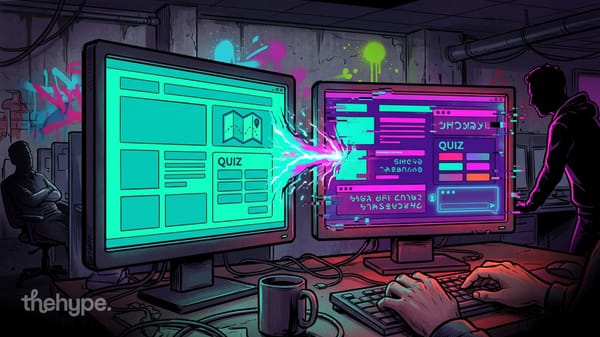
OpenAI added Remix to ChatGPT Sites on November 6, 2026. The feature lets a user copy a site a teammate built in ChatGPT and change it by describing the edits in chat. It is rolling out to ChatGPT Business and Enterprise accounts.
The pitch, in OpenAI's own words, is simple: "Your teammate built a great site. Naturally, you have notes." A user makes a separate version and keeps working on it, while the teammate's site stays untouched.
How Remix works in ChatGPT
OpenAI's demo video shows the flow on a sample company site called Waypoint. It is a travel policy guide with a short quiz and a library of rules. The user types a request into a chat box on the site: "Make me a copy of this site but in French."
ChatGPT then works on its own for about two and a half minutes. In the demo it runs the GPT-6 Astra model at medium effort. It creates a new copy, translates the questionnaire, recommendations and policy library, and keeps the same design. It then tests the French quiz, checks that the answers come back correctly and publishes the new site. The original stays as it was.
The announcement leaves several things open. OpenAI has not said whether site owners can block remixing, what data a copy carries over, or whether changes can flow back to the original. The Sites documentation has no Remix page yet.
Remix only makes sense on top of the product it extends, which most ChatGPT users have not tried yet.
What ChatGPT Sites is
Sites lets users "build, host, and share a website by describing it in ChatGPT or Codex," according to OpenAI's documentation. A prompt that mentions a website, or the @Sites tag, starts the flow. OpenAI suggests uses such as dashboards, trackers, request forms, calculators and internal resource hubs.
A site can keep data, which puts it closer to an app than a static page. Structured data such as saved records or game scores goes into D1, a relational database. Uploaded files go into R2 object storage. Visitors can sign in with their ChatGPT accounts, and the site receives their name and email.
Publishing takes two steps. The user saves a version, then deploys it, and every deployed URL is live. A new site is visible only to its owner and workspace admins at first. The owner can then open it to selected people, the whole workspace or anyone on the internet. Owners can also invite teammates as editors, but editors cannot change who sees the site.
Those sharing rules matter most inside companies, which is where Remix is aimed.
Sites in Business and Enterprise workspaces
Remix fits how teams already use Sites. One person builds an internal tool, and others want a variant for their own group, language or region. Before Remix, the options were to edit the original or rebuild it from scratch in a new chat.
Enterprise workspaces have tighter defaults. Public publishing is off until an admin turns it on, and custom domains are not available there at launch. Built-in traffic analytics also works only for sites outside Enterprise workspaces for now. On other plans, an owner can connect a domain they already own, since Sites does not register domains.
Remix reaches only Business and Enterprise accounts for now. OpenAI has not said when or whether Plus and Pro users will get it, even though they can already build sites.
What ChatGPT Sites will cost
Hosting is free for now. OpenAI's Sites documentation says hosting stays free through December 31, 2026, and metering starts on January 1, 2027. From then on, users pay only for usage above their plan's included allowance, and OpenAI describes the future rates as proposed. Building and editing a site draw on the user's regular Codex allowance.
That timing adds a cost side to Remix. Each remix is a new site, so a team that copies tools freely now will have more sites to pay for once metering begins.
Is ChatGPT Remix worth using
For teams that already build internal tools in ChatGPT, Remix removes a real chore. A translated or adapted copy of a working site takes a few minutes and one sentence, and the original stays safe. The open questions are control and cost. Until OpenAI explains what a copy inherits and whether owners can stop it, admins should treat every published site as something colleagues may duplicate.
Sources
- ChatGPT announcement on X – November 6, 2026
- Sites overview, OpenAI documentation – accessed November 7, 2026
- Publishing and sharing a site, OpenAI documentation – accessed November 7, 2026
- Data and connections in Sites, OpenAI documentation – accessed November 7, 2026
- Managing a site, OpenAI documentation – accessed November 7, 2026