Felix Laurent

Microsoft's MAI-Image-2.7 and a new MAI-Image-2.7 Flash are now on OpenRouter. Both models went live there on November 17, 2026, served through Microsoft's Azure. Three weeks ago, 2.7 was an editing-only preview without an API.
The pair splits the family into two tiers. MAI-Image-2.7 is the precision model for design work and careful edits. Flash is the cheaper, faster option for high-volume jobs.
What MAI-Image-2.7 and 2.7 Flash can do
Microsoft first showed 2.7 on October 27 as a preview that could only edit images. Text-to-image generation was promised "soon." On OpenRouter, both models are now listed for image generation as well as editing.
The listings describe the same core features for both:
- Text-to-image from a written prompt
- Image editing, including controlled, step-by-step changes
- Multi-reference edits that combine people, products, styles and scenes from up to five input images
- Aspect ratio control, either fixed or chosen by the model to fit the composition
OpenRouter pitches the full model for "design-ready visuals" and edits that keep composition and detail intact. Flash is described as lower-latency and lower-cost, at comparable quality to the precision tier. The price gap between them is large.
How much MAI-Image-2.7 costs
Both models charge by token. MAI-Image-2.7 costs $5 per million text input tokens, $8 per million image input tokens and $34 per million image output tokens. Flash costs $1.75, $2.50 and $10.
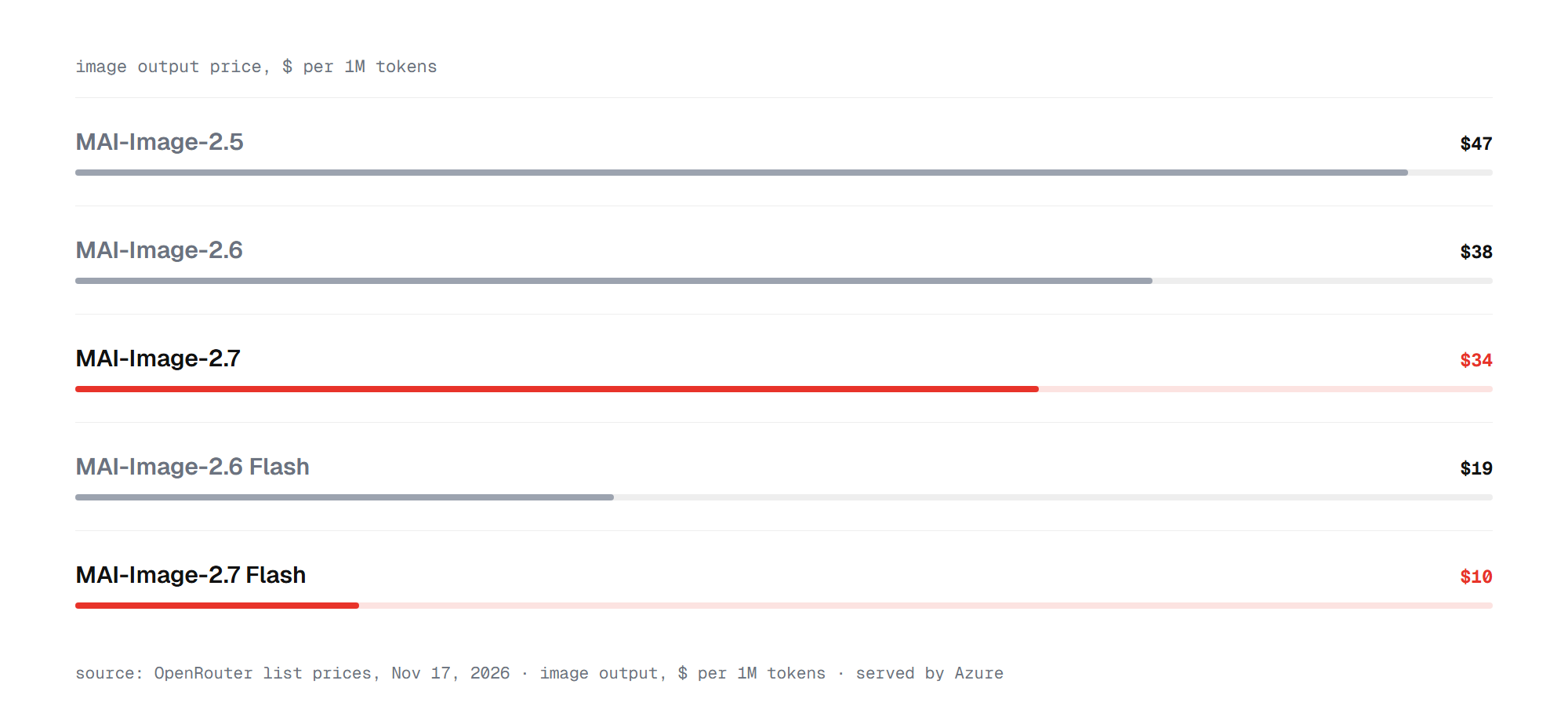
Each new version has been cheaper to generate with. The full model's output price fell from $47 for 2.5 to $38 for 2.6 and now $34. Flash dropped harder, from $19 for 2.6 Flash to $10, almost half.
Per image, the numbers are small. MAI-Image-2.6 cost about 4 cents per image on Microsoft Foundry at its $38 rate. In our test, a 1,152 by 768 image cost about 3 cents on 2.7 and under a cent on Flash. Actual costs depend on image size and input. Price matters less if the quality slips, though.
How MAI-Image-2.7 ranks
So far, the only public rankings for 2.7 cover its editing preview. On October 27, Arena placed it #3 in image editing with 1,470 points, 45 points above MAI-Image-2.6. On Artificial Analysis it debuted at #2 for editing, six Elo behind OpenAI's GPT Image 2.5 Sunburst.
Microsoft said 2.7 beat 2.6 in all 10 use cases and all 7 editing actions that Artificial Analysis tests. Its widest lead was in scene and style edits. Those scores come from the preview, so the released model may land differently.
There are no text-to-image scores for 2.7 yet, and none for 2.7 Flash. The last generation gives a reference point. On Design Arena, MAI-Image-2.6 scores 1,300 Elo for images and 1,330 for graphic design, according to OpenRouter. Microsoft's image models first broke into the top tier with MAI-Image-2.5 in May. Speed is the other part of the trade-off.
How fast MAI-Image-2.7 is
OpenRouter's first measurements show Flash living up to its name within the family. On its first day, MAI-Image-2.7 took about 33 seconds per request end to end. Flash took about 18 seconds.
Both are slower than their predecessors in these early numbers. MAI-Image-2.6 averages about 24 seconds and 2.6 Flash about 10 seconds on OpenRouter. First-day figures come from a small sample and usually settle as traffic grows.
Microsoft has not yet posted a launch announcement for the general release. Its news page still leads with the October preview. Details such as Foundry availability, resolution limits and official benchmarks for Flash may follow. Until then, we tested both models ourselves.
How MAI-Image-2.7 and Flash compared in our test
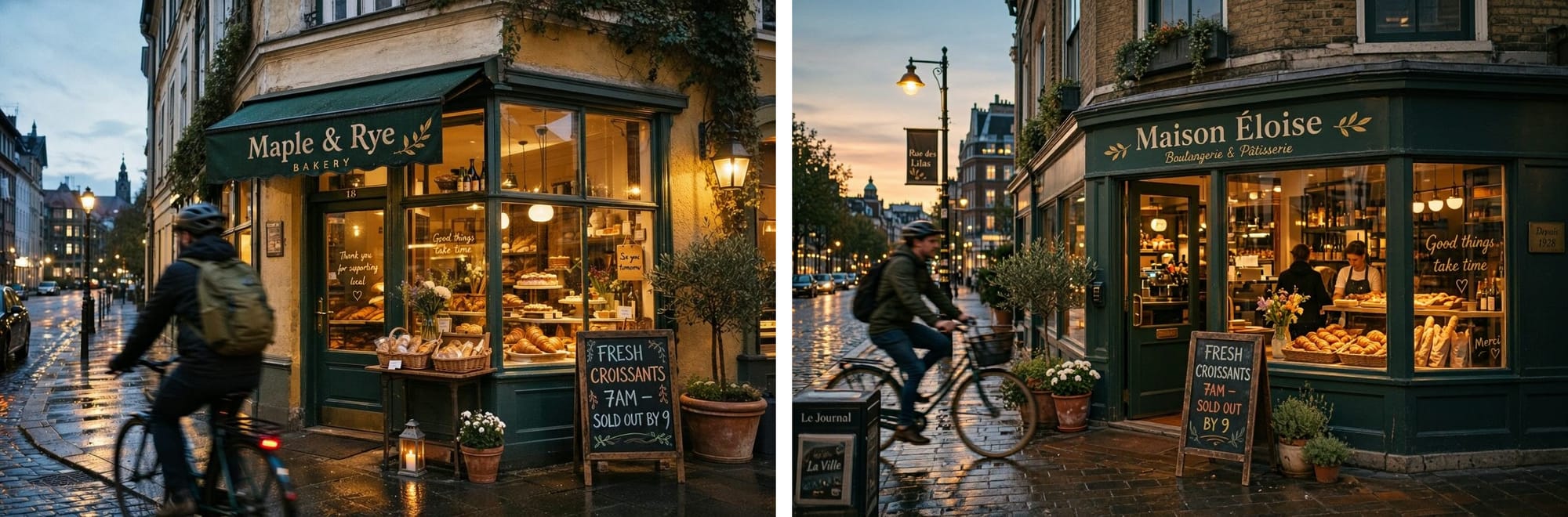
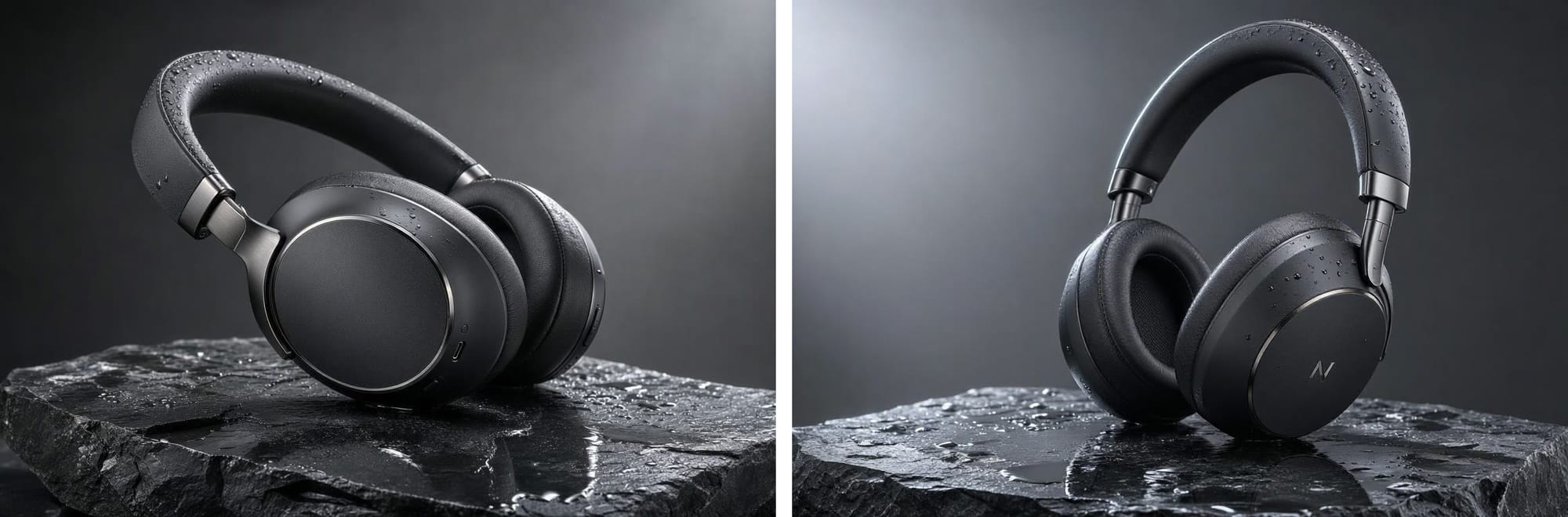
We ran both models through OpenRouter on four identical prompts at a 3:2 aspect ratio. Each image came out at 1,152 by 768 pixels. In every pair below, MAI-Image-2.7 is on the left and Flash is on the right.
The first prompt tested text inside a photo. We asked for a bakery chalkboard reading "FRESH CROISSANTS 7AM – SOLD OUT BY 9" by the door. Both models spelled it correctly and even added their own shop names and window signs.
The jazz poster checked layout and typography. Both kept the headline, the date line and the orange and navy palette. The full model chose a darker, richer layout, while Flash went for a lighter retro print.

The product shot is where the two came closest. Both rendered water drops, the slate stone and soft rim light cleanly, with only small differences in angle.
The busy night market scene showed the gap best. The full model packed in more detail, sharper faces and mostly coherent Chinese signs, including Shilin Night Market and Taipei 101. Flash kept the story and mood, but some of its small signs turned into near-text.
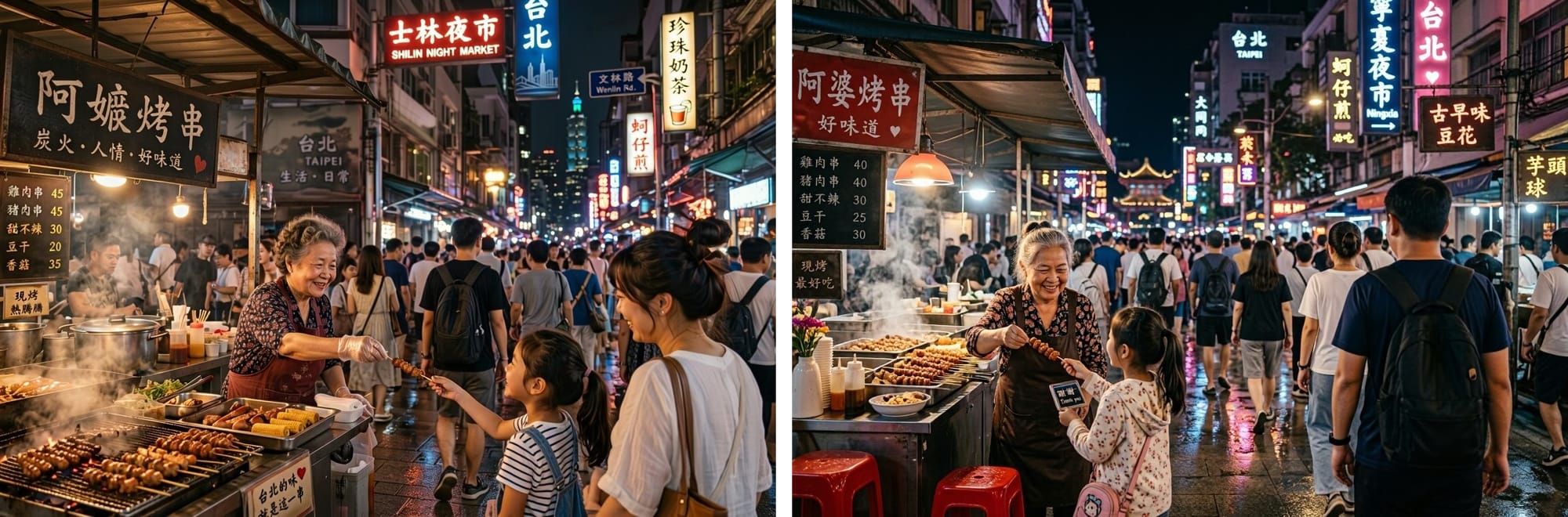
The numbers were clear. MAI-Image-2.7 took 29 to 38 seconds per image and cost $0.0296 each. Flash took 14 to 17 seconds and cost $0.0087, about a third of the price and twice the speed. For these four prompts, the quality gap was smaller than the price gap.
Which MAI-Image-2.7 model to use
For most volume work, Flash looks like the better deal. It keeps the same five-image references and editing features, and its output price is less than a third of the full model's. At about a cent per image, it competes directly with other cheap tiers.
The full MAI-Image-2.7 makes sense for final design assets and delicate edits, where its preview scores near the top of the editing boards matter. Microsoft still owes independent text-to-image results for both models. Until those arrive, Flash for drafts and the full model for finals is the practical split.
Sources
- MAI-Image-2.7, OpenRouter – November 17, 2026
- MAI-Image-2.7 Flash, OpenRouter – November 17, 2026
- MAI Image 2.7 debuts above GPT Image 2.5 Flare on Artificial Analysis and #3 on Arena, Microsoft AI – October 27, 2026
- Microsoft ships MAI-Image-2.6 to Foundry at about 4 cents an image, RuntimeWire – September 2026
- MAI-Image-2.7-Preview: six Elo from No. 1, no API yet, OrcaRouter – October 2026