 Nick Trenkler
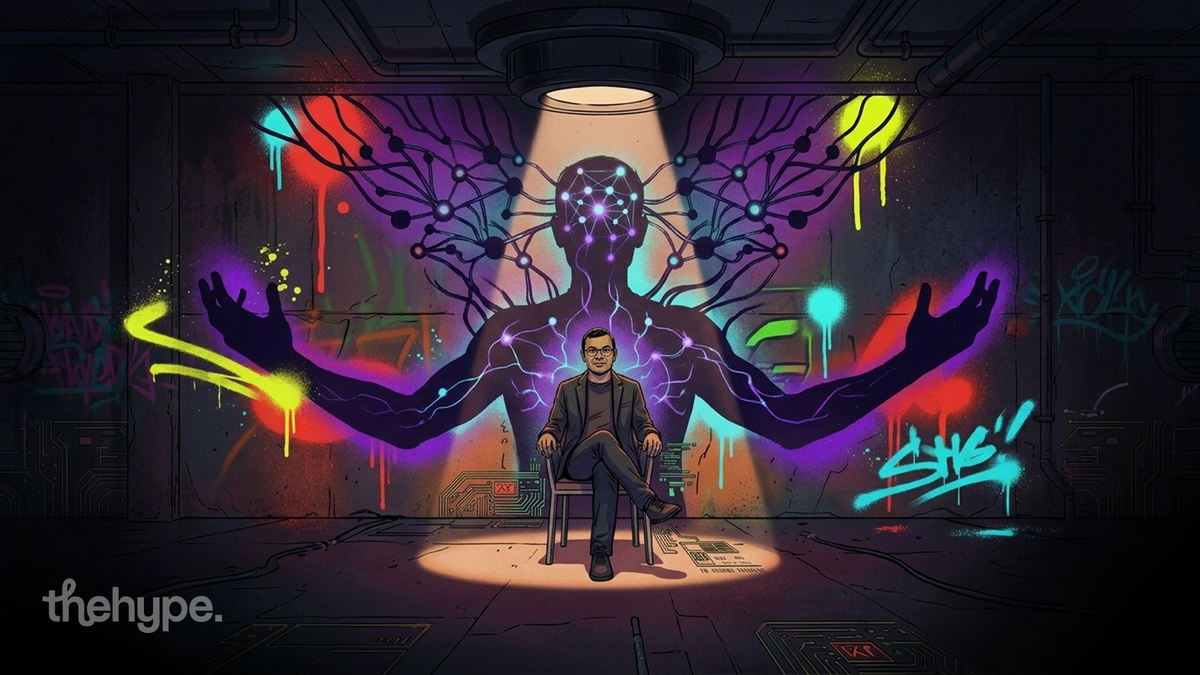
Demis Hassabis (@demishassabis) has had one of the most extraordinary careers in tech.
— Y Combinator (@ycombinator) April 29, 2026
He started as a chess prodigy and video game designer at 17 before getting a PhD in neuroscience and going on to found DeepMind. His lab cracked Go, solved protein structure prediction with… pic.twitter.com/l7hVWdbL7T
on agi:
• current components (pre-training, rlhf, chain-of-thought) will be part of the final agi architecture – not a dead end
• still missing: continual learning, long-term reasoning, better memory, consistency
• his agi timeline: ~2030
• agents are the path to agi – "we're just getting started"
on reasoning:
• models are "overthinking" and getting into loops – even returning to moves they know are blunders
• the "jagged intelligence" problem: can solve imo gold medal problems but fails basic arithmetic depending on framing
• missing: introspection about its own thought process
on memory & context:
• million-token context windows are brute force – storing important and unimportant things alike
• continual learning is the missing piece for truly autonomous agents
• brain's sleep/rem consolidation is the inspiration they're trying to replicate
on distillation & smaller models:
• flash models are ~95% as capable at ~10% the cost
• no theoretical limit seen yet on how smart small models can get
• gemma 4 hit 40m downloads in ~2.5 weeks
on science & alphafold:
• virtual cell is ~10 years away; working on virtual nucleus first
• pattern for alphafold-style breakthroughs: massive combinatorial search space + clear objective function + enough data/simulation
• almost every future drug will likely use alphafold at some point
on startups:
• best defensible position: deep interdisciplinary work combining ai + "world of atoms" (biology, materials, etc.)
• warning: if your timeline is 10 years and agi arrives in 5, plan for it – build things that remain useful in an agi world