on oct 16 china's commerce and science ministries proposed adding 40 technologies to the country's export-control catalogue, 23 of them in ai. models past 2t parameters, 10^26 training flops or a place in the global top 10 would need a license before their weights leave the country, bloomberg reports. api and app access stays outside the controls, and so do weights already published as open source.
what needs a license
for models past any one of the three thresholds, the controls cover weights, checkpoints, source code and architecture. running such a model on servers outside china counts as an export, according to the next web, which would also reach us and european inference providers that host chinese open weights. models trained on china's "core data" cannot be exported at all. the ai list also includes agents, computing clusters and chip design know-how at 14nm or below.
the draft names no model, but bloomberg and ap report that moonshot's kimi k3 and alibaba's qwen3.8-max are already above the size threshold.
the ministry says the controls are meant to prevent misuse, including ai that can write malicious software on its own, and that the plan does not target any country or company.
the exemptions
access through apis, websites, apps and saas platforms is excluded, so chinese labs can keep selling their models abroad as hosted services. technology already in the public domain through open-source releases or papers is excluded too. new open-source exports get simplified procedures, including automatic licensing.
what beijing gains
china's labs have competed abroad by giving developers capable models for free: download the weights and run them without paying for an api. the draft keeps that path open for smaller models and for weights already published, but puts a license in front of the flagships.
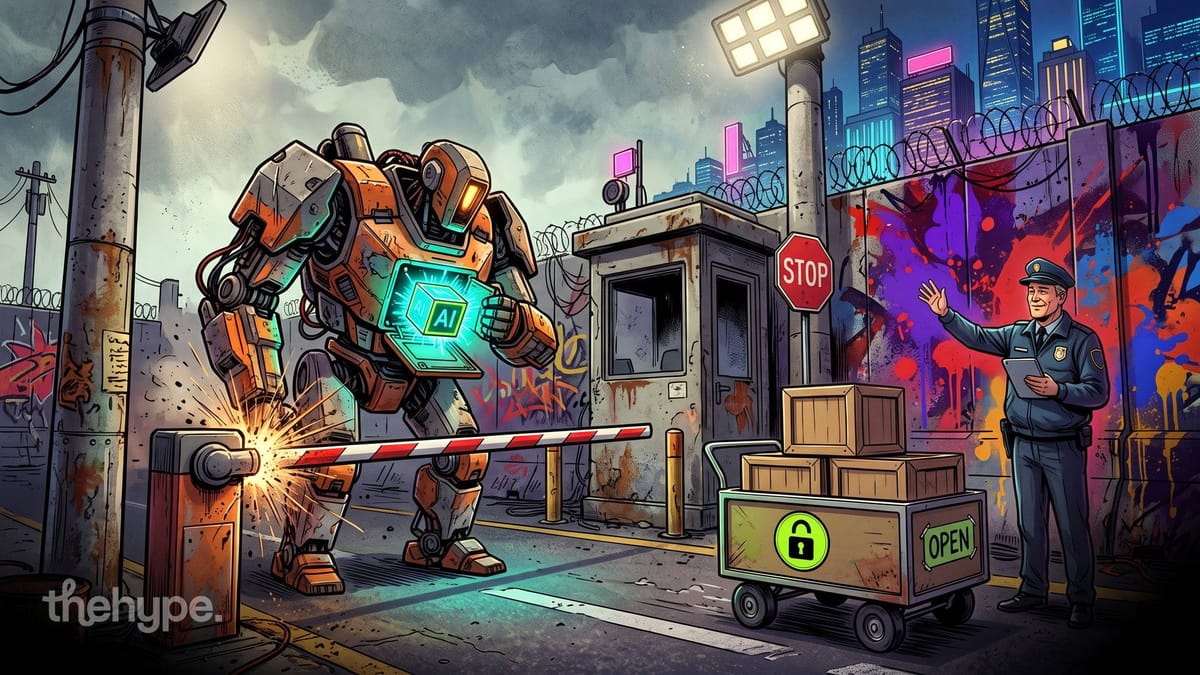
for the models that matter most, the deal changes. labs could still sell access through their own apis, while the weights that let developers run and modify a model on their own hardware would need beijing's approval first. beijing keeps the commercial reach of its ai industry and gains a say over which of its strongest models leave the country.
it also works as a hedge: if frontier models turn into a strategic asset, releasing them freely hands that asset to foreign competitors.
what comes next
the draft does not say whether a new model counts as public domain once it is published, or whether publishing its weights is itself an export that needs a license first. it also does not say how the top-10 ranking is measured.
in july reuters reported that officials had discussed similar limits with alibaba, bytedance and z.ai, including a possible ban on public release for the most capable models.
pre-export registration has been in force since oct 16. comments close on nov 15.
sources
- reuters
- the next web
- the edge malaysia / bloomberg
- le grand continent
- mofcom: announcement no. 48 (in chinese) – oct 16, 2026; 40 technologies, open-source exemption
- mofcom: spokesperson q&a (in chinese) – api, app, saas use outside the controls; automatic licensing