Felix Laurent
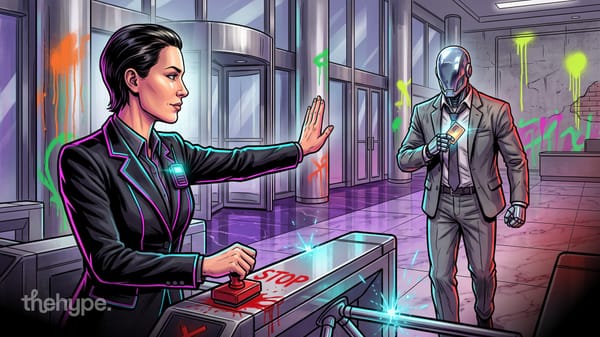
Axios reports that major U.S. banks are detecting third-party AI agents inside customer accounts and moving to block them. The core problem is identification. A bank cannot easily tell an agent a customer authorized from one that has gone rogue. The report rests on anonymous sources, and one bank denies seeing rogue agents.
What the report says
Major U.S. banks are detecting unauthorized third-party AI agents operating inside customer accounts, the report says. Some of them attempt actions that appear independent of user instructions, according to its sources.
The difficulty of telling a human from an unauthorized bot is forcing banks to block the technology. They are also rewriting their terms of service quickly. One bank executive said the bank struggles to tell agents apart. The executive also cannot always know whether a user authorized an agent or it gained access on its own.
The core of the story is therefore an identification gap, not a documented breach.
Why agents complicate the picture
The report describes the typical case as an agent or AI assistant that accesses a human's account with the user's permission and login credentials. From the bank's side, that session can look like any other login.
That is why the same technology is both allowed and blocked. Most banks have authorized, or are moving toward, read-only access, according to the report. Read-only access should let agents see financial information without taking action.
The risk the banks describe sits in the step from reading to acting.
What each party says
The table separates what the report and its sources say from what the bank in question says.
| party | statement |
|---|---|
| the report, via sources | banks are detecting unauthorized third-party agents in customer accounts; morgan stanley has begun blocking third-party agents from its platforms |
| morgan stanley spokesperson | the bank hasn't observed instances of "rogue AI agents accessing our platforms" |
| bank executive | the bank cannot tell authorized agents from rogue ones |
| people cited on contingency plans | several banks prepare for worst-case and "day after" scenarios |
The last row comes from a post by Madison Mills, which quotes people familiar with the plans. Morgan Stanley's block and its denial of rogue agents sit side by side without contradiction. A bank can block a category of access without having seen abuse.
What the report does not show
The report gives no figures. It has no count of affected accounts, no list of banks that detected agents and no example of an agent acting beyond instructions. A secondary report by Cybersecurity News retells the story. It says the original described attempted actions and concerns, not confirmed widespread theft or disclosed losses. It adds that Reuters also reported the findings but could not immediately verify them.
Social posts about the story went further. They said agents are "entering" bank accounts and the situation is "getting worse every hour." That is the poster's framing. The report does not say it.
So the evidence supports a report of bank concern and blocking, not a measured rise in harm.
Sources
- Axios report on AI agents in bank accounts – primary
- Post by Madison Mills on banks' worst-case planning – quotes the same reporting
- @kimmonismus post – the social post whose framing the article checks
- Cybersecurity News – retelling of the story, with the Reuters caveat