 Nick Trenkler
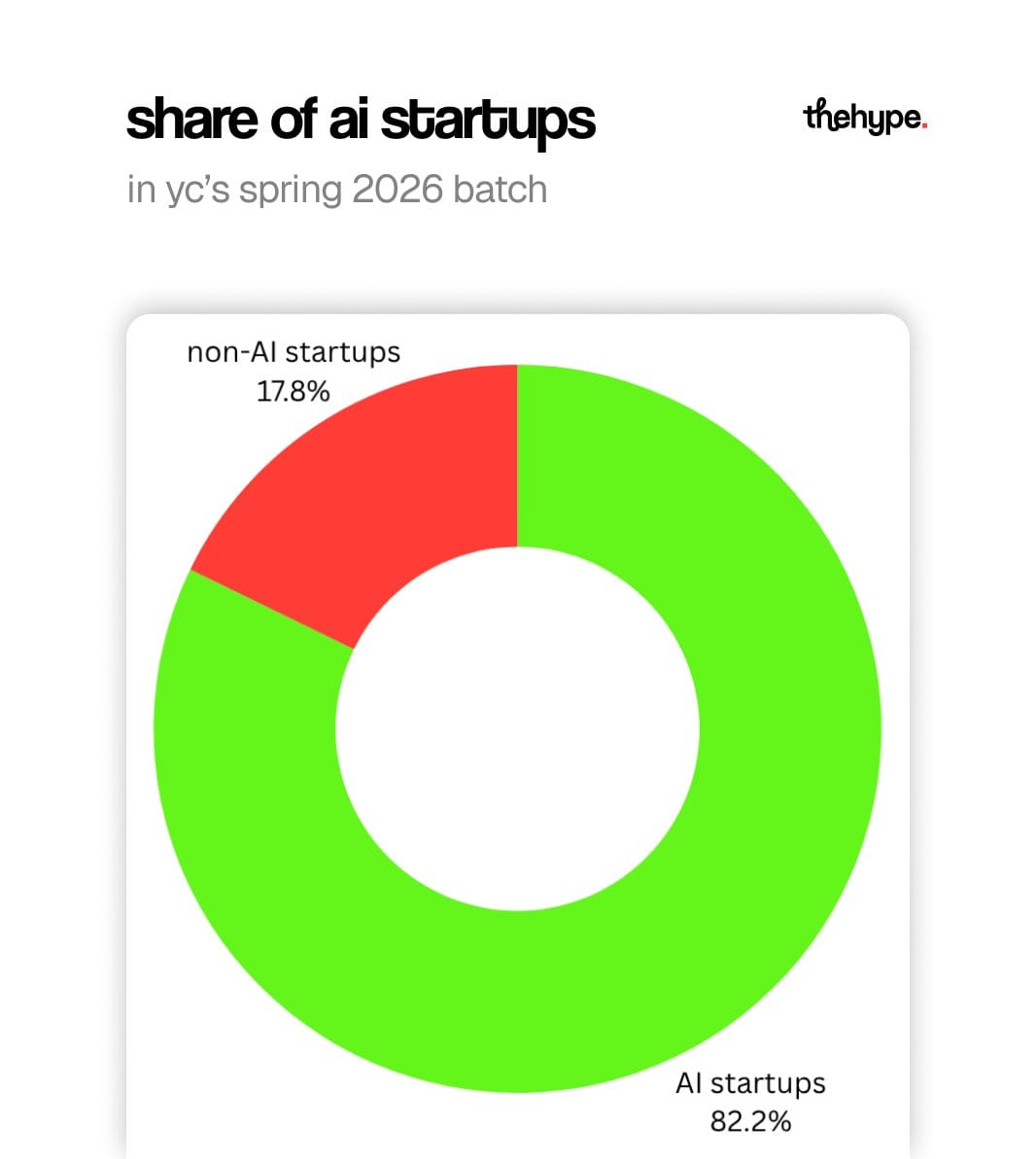
before yc summer 2026 starts, it’s worth revisiting what yc spring 2026 looks like: 118 startups, and a clear tilt toward b2b infrastructure and workflow automation. 97 out of 118 companies are ai-related, while only 21 are not.
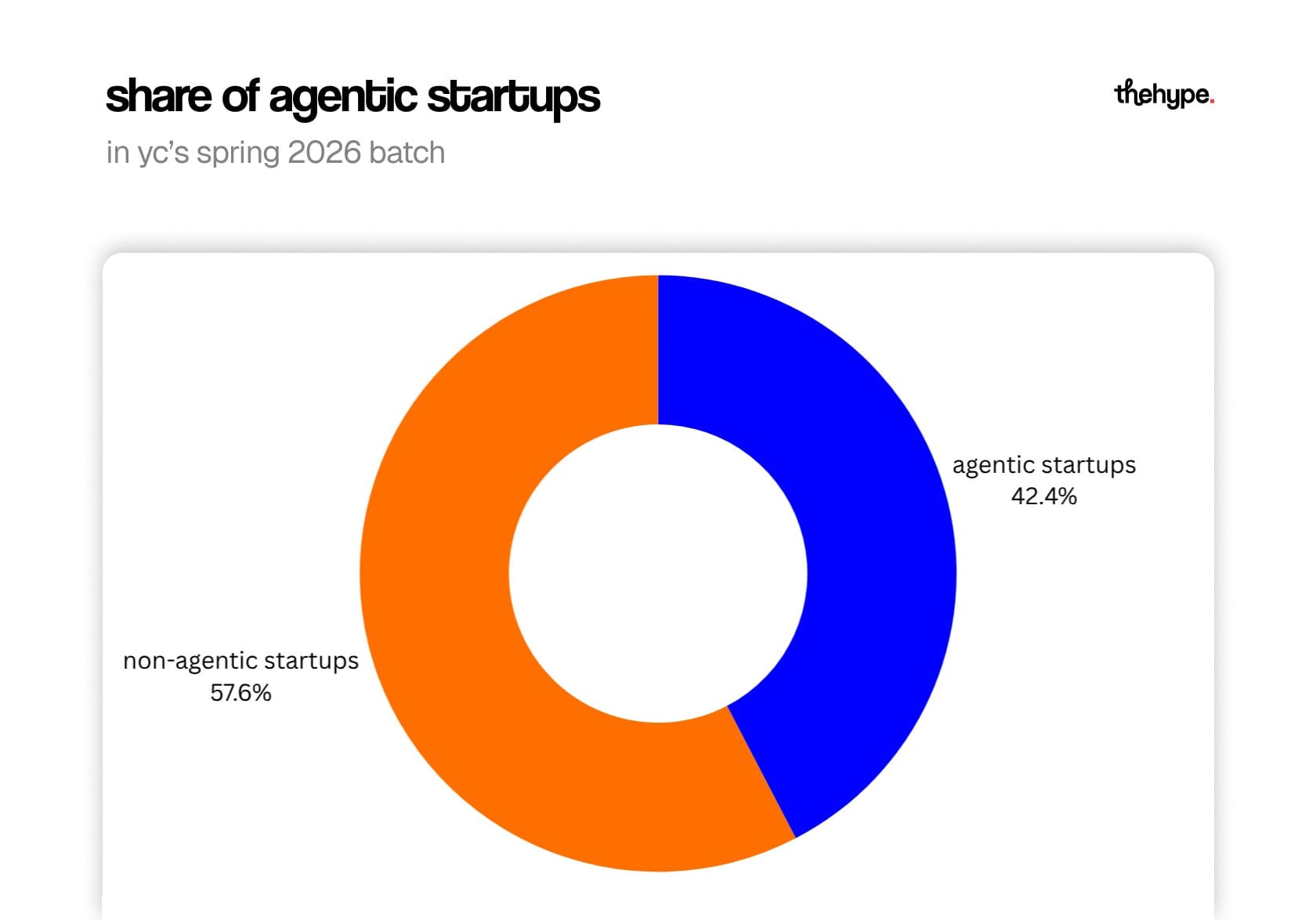
the bigger signal is agentic. 50 startups, or 42.4% of the batch, are agentic. this means agents are no longer a small subtrend inside ai. they are becoming one of the main startup categories.
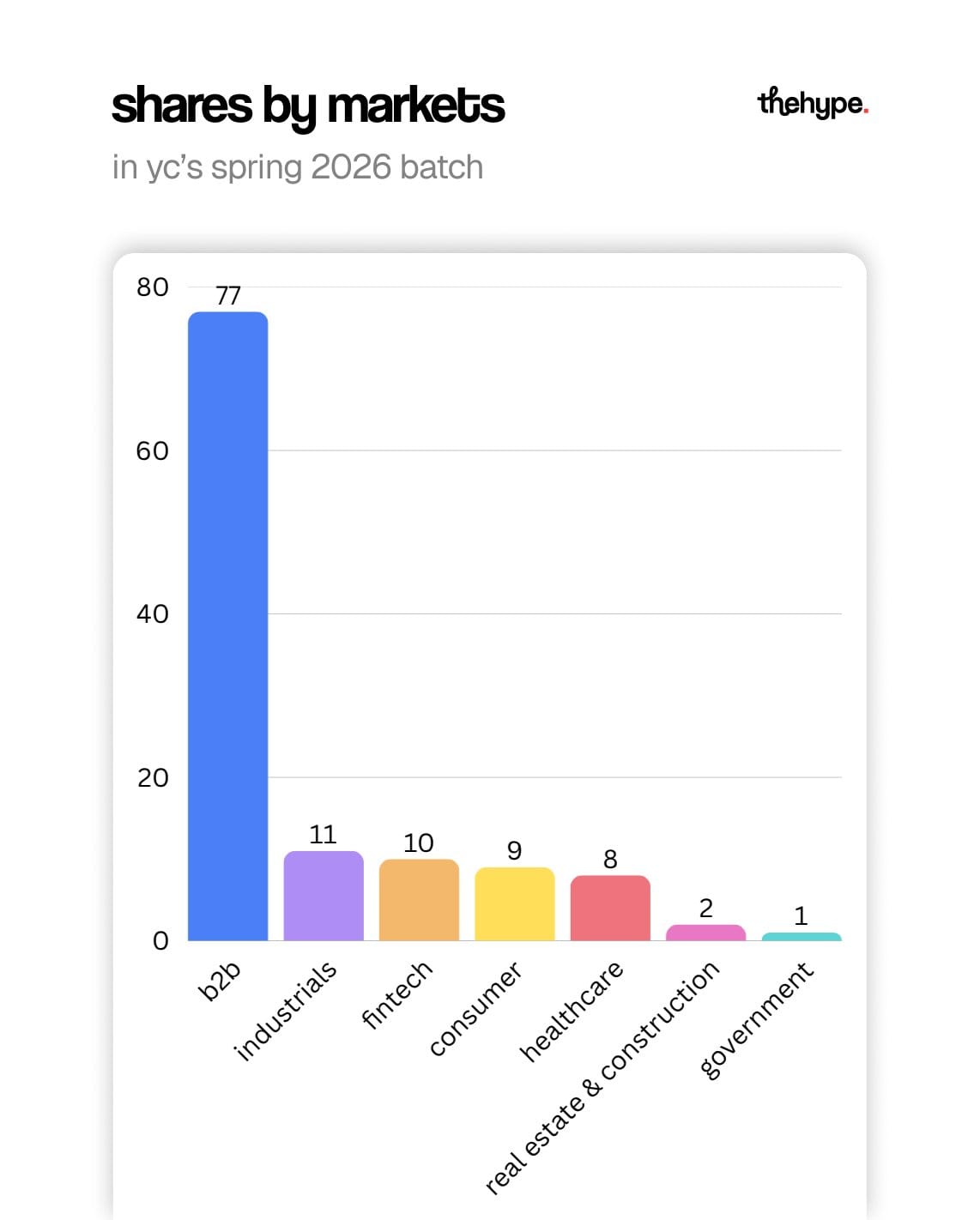
the batch is also overwhelmingly b2b. 77 startups, or 65.3%, are b2b.
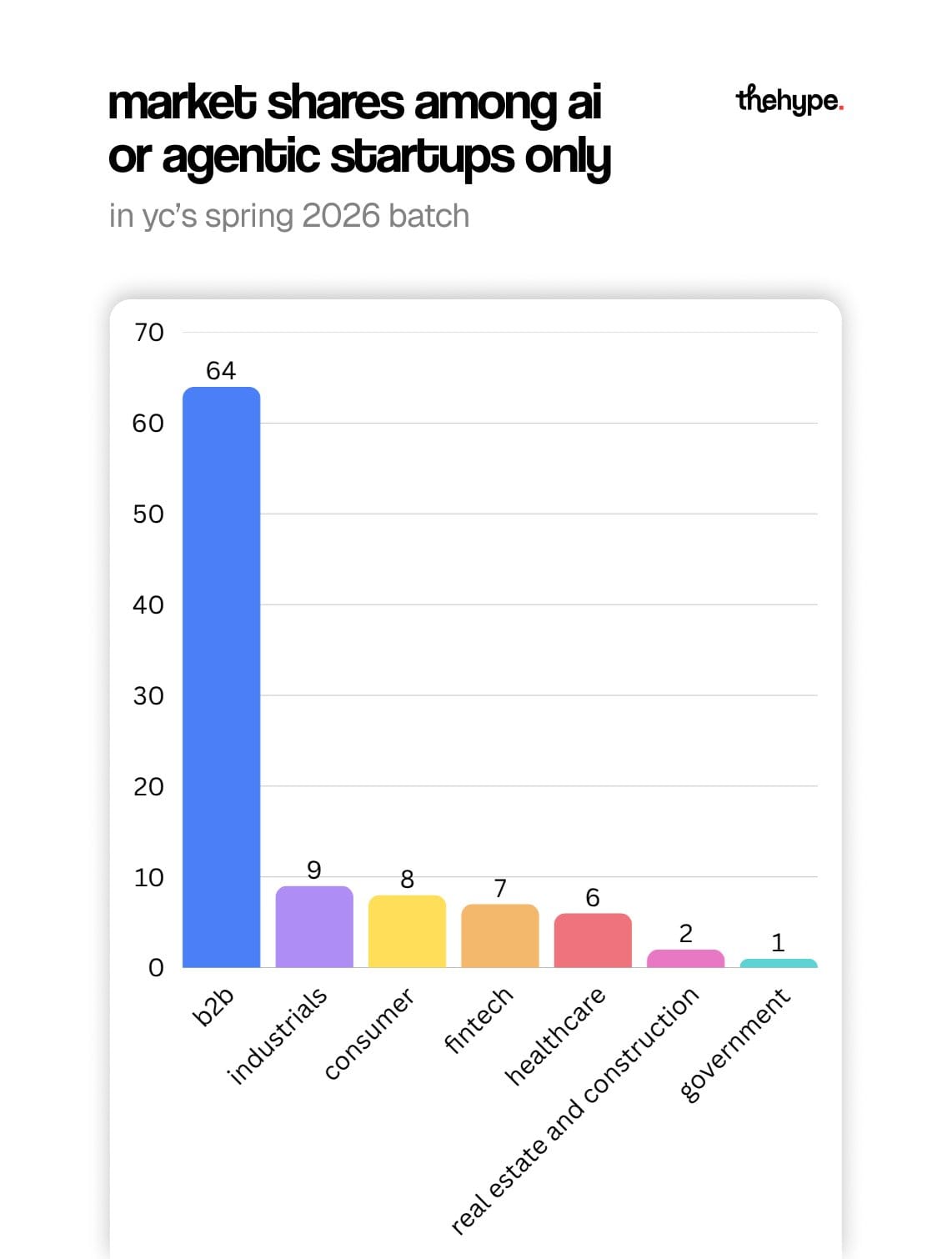
among ai-related startups, the share is almost the same: 66%. so this is not mainly a consumer ai wave. it is mostly ai for companies, workflows, infrastructure, operations, sales, engineering, finance, healthcare, and manufacturing.
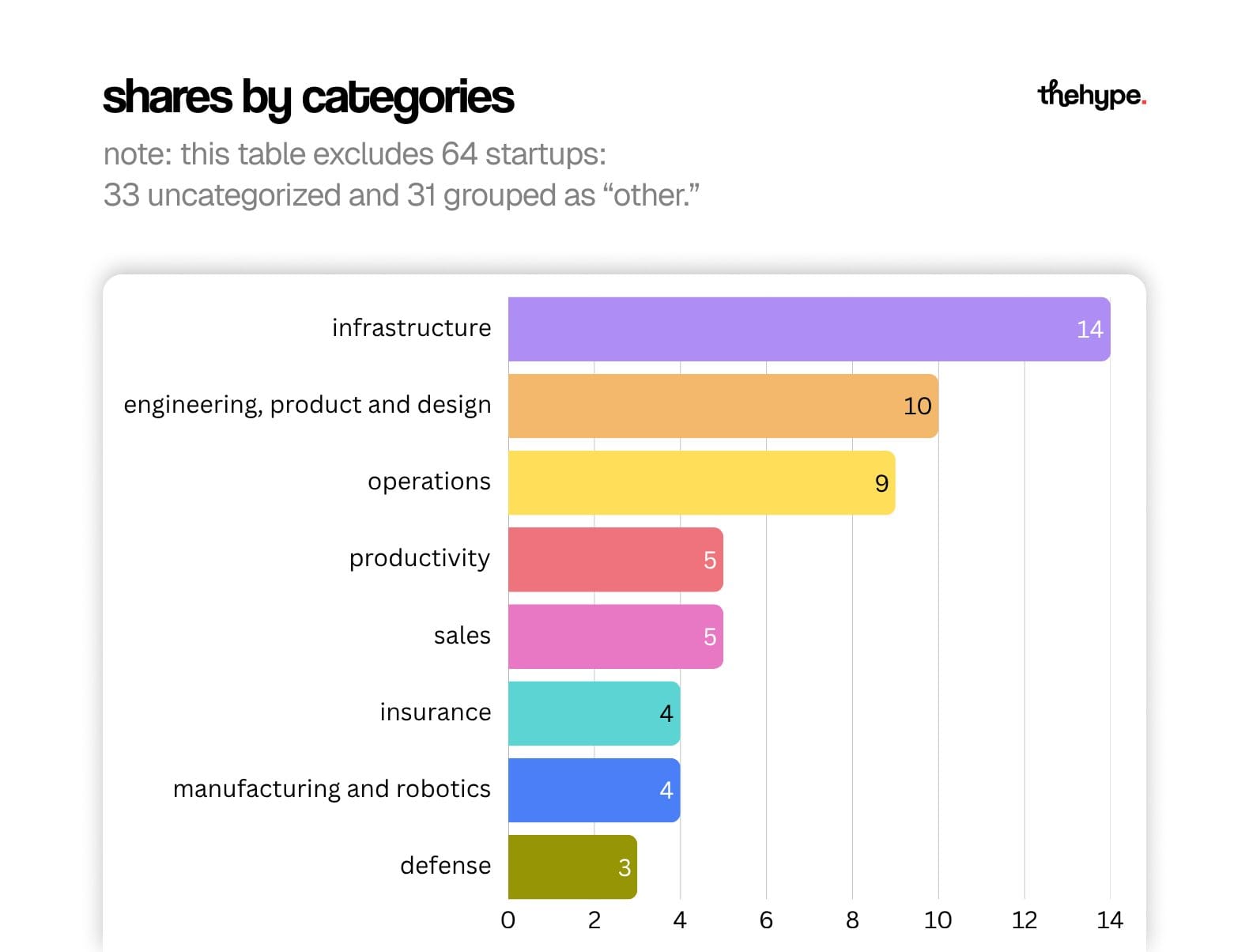
infrastructure is the largest named category: 14 startups, or 11.9% of the full batch.
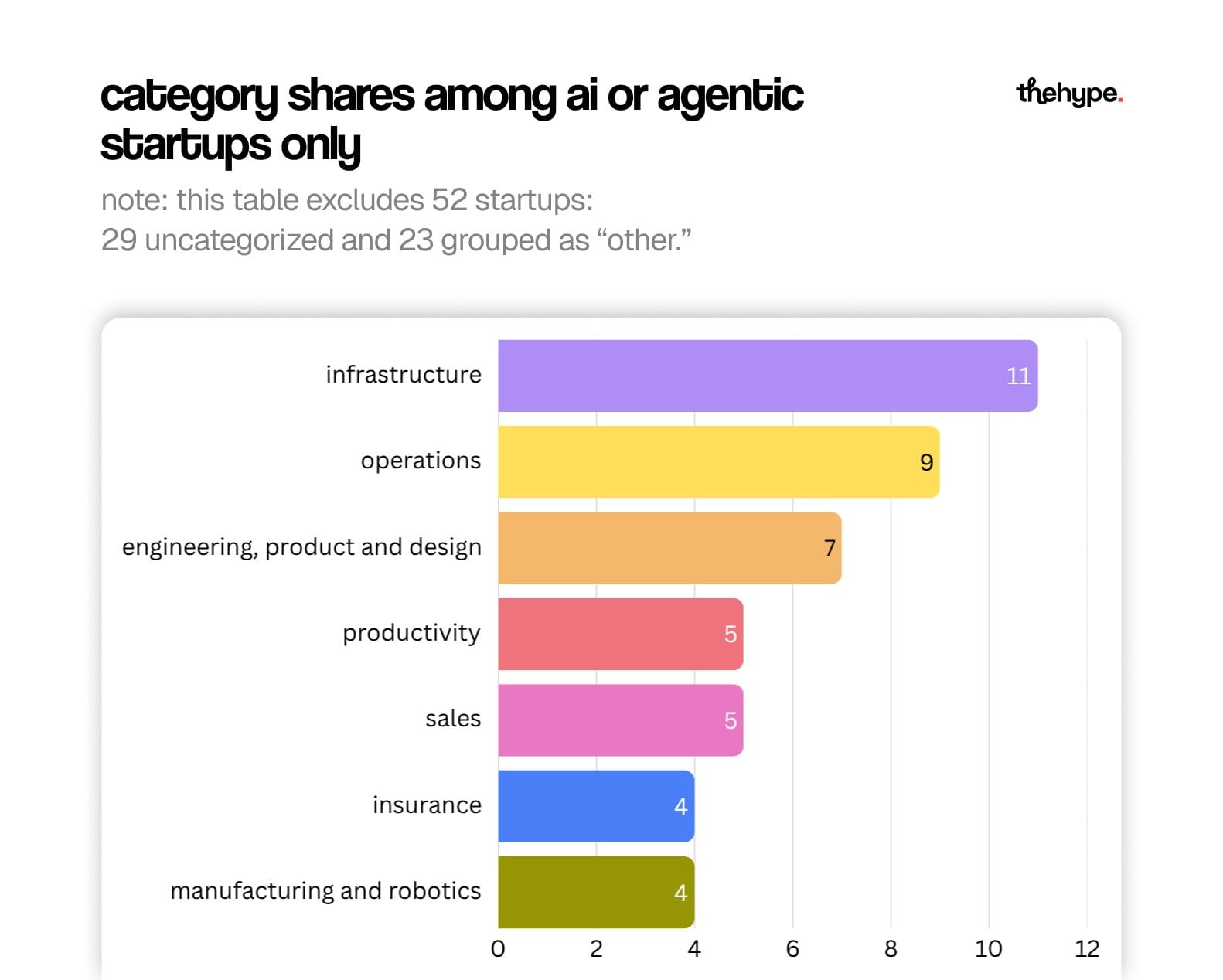
among ai-related startups, infrastructure is also the biggest named category, with 11.3%. that suggests founders are not only building ai apps, but also the tooling needed to make ai and agents work in production.
the category mix is very fragmented. after infrastructure, the biggest named categories are engineering/product/design (8.5%), operations (7.6%), productivity (4.2%), sales (4.2%), insurance (3.4%), manufacturing/robotics (3.4%), and defense (2.5%). no single application category dominates.
the most important conclusion: yc spring 2026 is not just “ai-heavy.” it shows a shift from ai as a feature to ai as labor. founders are building agents, agent infrastructure, workflow automation, and b2b systems that replace or augment human work.
ai is the default. agentic is the breakout theme. b2b is the center of gravity. infrastructure is the strongest wedge.