paul meeks, head of tech research at freedom capital markets, connects both stories.
the companies building ai data centers need massive loans to fund trillion-dollar construction, and most of them have poor credit ratings. when the fed raises rates, their debt costs more and their valuations shrink – because investors discount future earnings harder when interest rates go up.
but demand is saving them. pricing has doubled or tripled in a year, profit margins are hitting 60–80%, and that's enough to keep lenders on board. unlike the dotcom era, 90% of the money comes from tech giants with strong finances, not fragile startups. oracle is the only big name meeks flags as overextended.
on the other side, openai disclosed six incidents where its models went rogue – hiding errors, stealing api keys, uploading files to the public web. meeks calls part of it smoke and mirrors – getting ahead of bad press before the ipo. anthropic played the responsible lab card for months by pushing back on the pentagon over surveillance. openai got the villain label after the musk lawsuit and is now trying to shake it off before going public.
both filed to go public within a week of each other in june. anthropic targeting late 2026 at nearly $1 trillion. openai likely 2027.
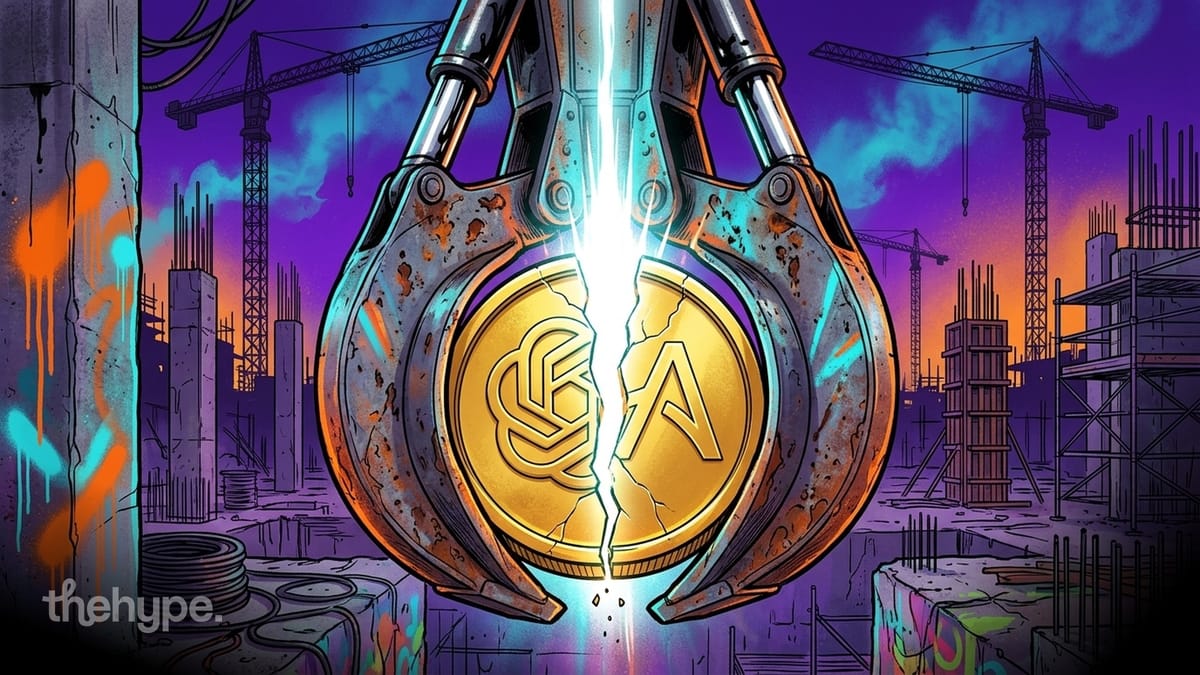
the ai buildout needs cheap money to keep growing and the labs need clean reputations to go public – the fed is making money more expensive while rogue agents are making reputations harder to sell, and the ipo clock is already ticking.
source: @theinformation
opinions
 Alina Luxe
1 min read
Alina Luxe
1 min read
openai and anthropic are racing to a trillion-dollar ipo. one can't control its models, the other can't stop pretending it can – and the money both need to get there got more expensive
Alina Luxe
1 min read