 Nick Trenkler
george sivulka (@gsivulka) founded hebbia in 2020, when it became one of the first companies to productionize llms and an early pioneer of rag. its customers are financial, legal and consulting firms – which is where the argument comes from: he is watching large organizations try to put agents to work, and mostly fail
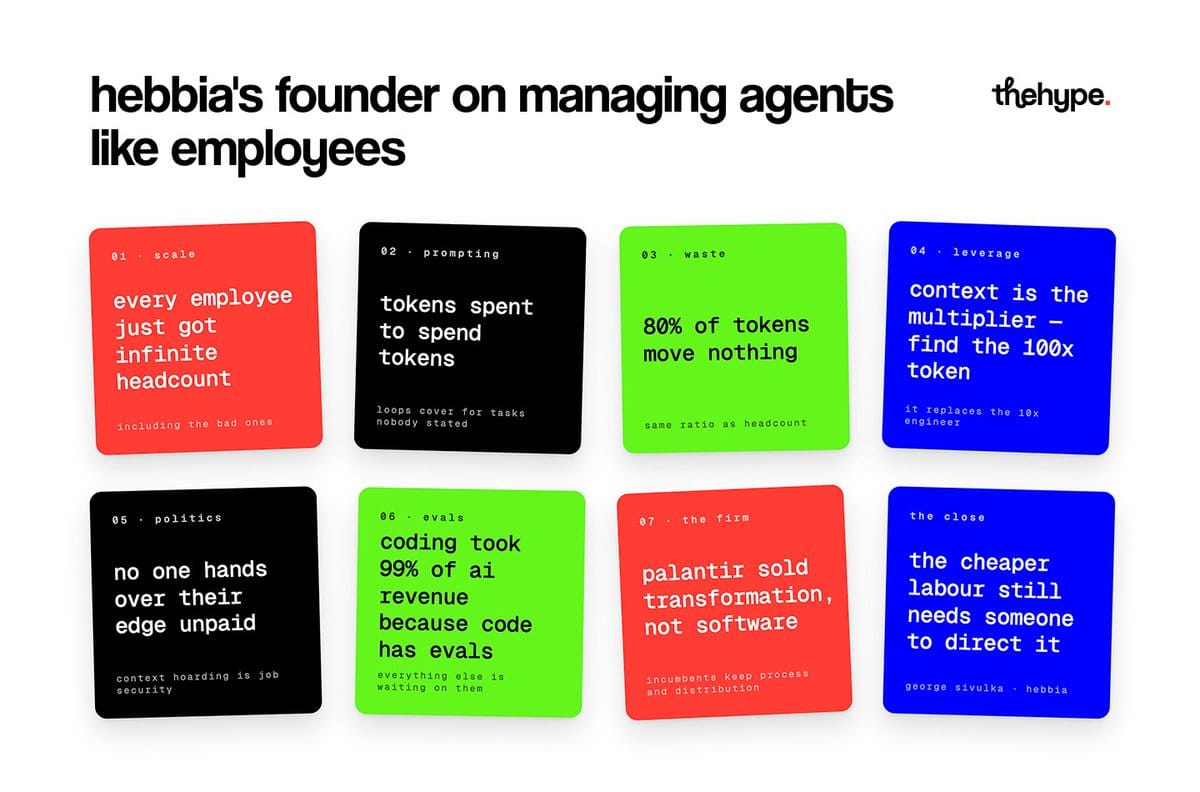
his premise: ai didn't replace labor, it gave every employee infinite headcount – and nobody knows how to manage it
the insights:
• humans are now cheaper than software on average. the problem isn't token spend, it's that maybe 1 in 100 people can give an agent proper context
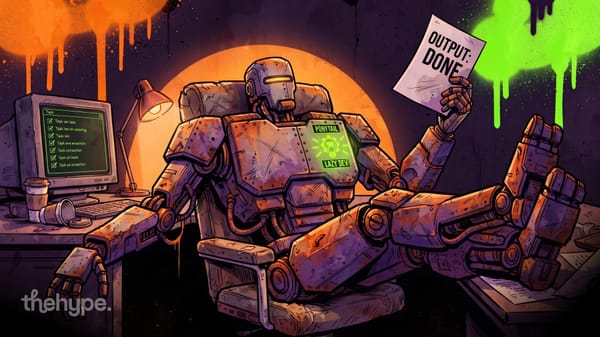
• agent loops are meetings about meetings – brute force compensating for tasks a human never articulated cleanly. you end up spending tokens on spending tokens
• wasted tokens are the new headcount bloat. roughly 80% of tokens do nothing, same as 80% of employees at most firms. looping is the new empire building
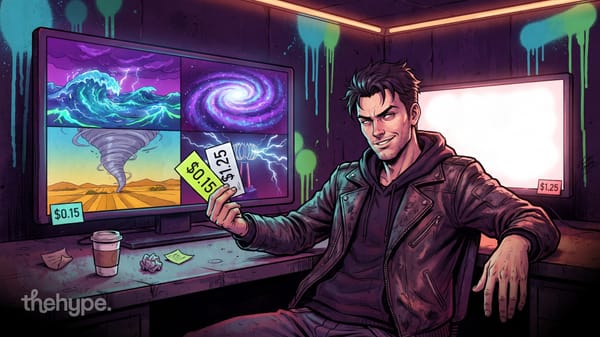
• the 100x token replaces the 10x engineer – the right context can cut agent effort by orders of magnitude. good tokens are cheaper than humans at scale, and management is what converts one into the other
• context hoarding is the new job security. nobody trains their replacement for free – the people holding the 100x tokens have the least incentive to hand them over
• evals are the new okrs. coding captured 99% of ai revenue because code has built-in evals. every other domain waits on someone building them, and no two firms' eval sets will be the same
• the next trillion-dollar opportunity is ai transformation, not neofirms. incumbents still hold the best assets – working processes and existing distribution. palantir was never selling software, it was selling transformation
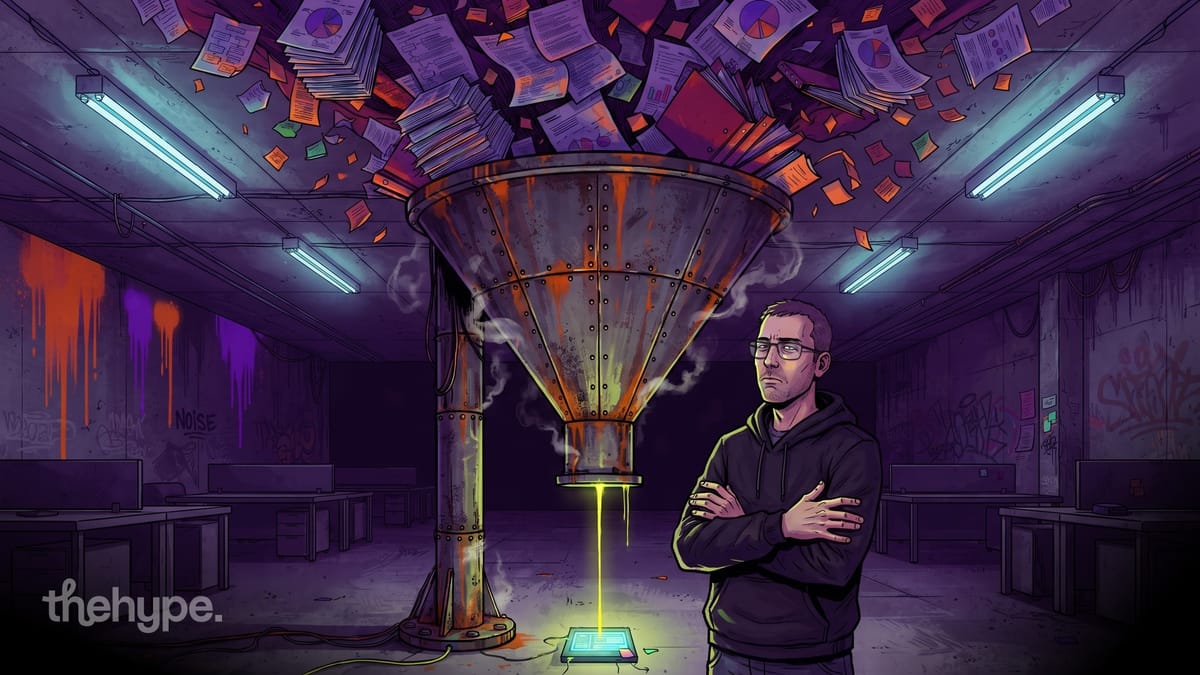
the conclusion: the bottleneck has moved. it is no longer models, infrastructure or spend – it is that almost nobody can state a task clearly enough for a machine to execute it, and almost no firm can measure whether it did. the companies that solve that are the ones that will capture the next decade of ai value
— George Sivulka (@gsivulka) July 14, 2026